

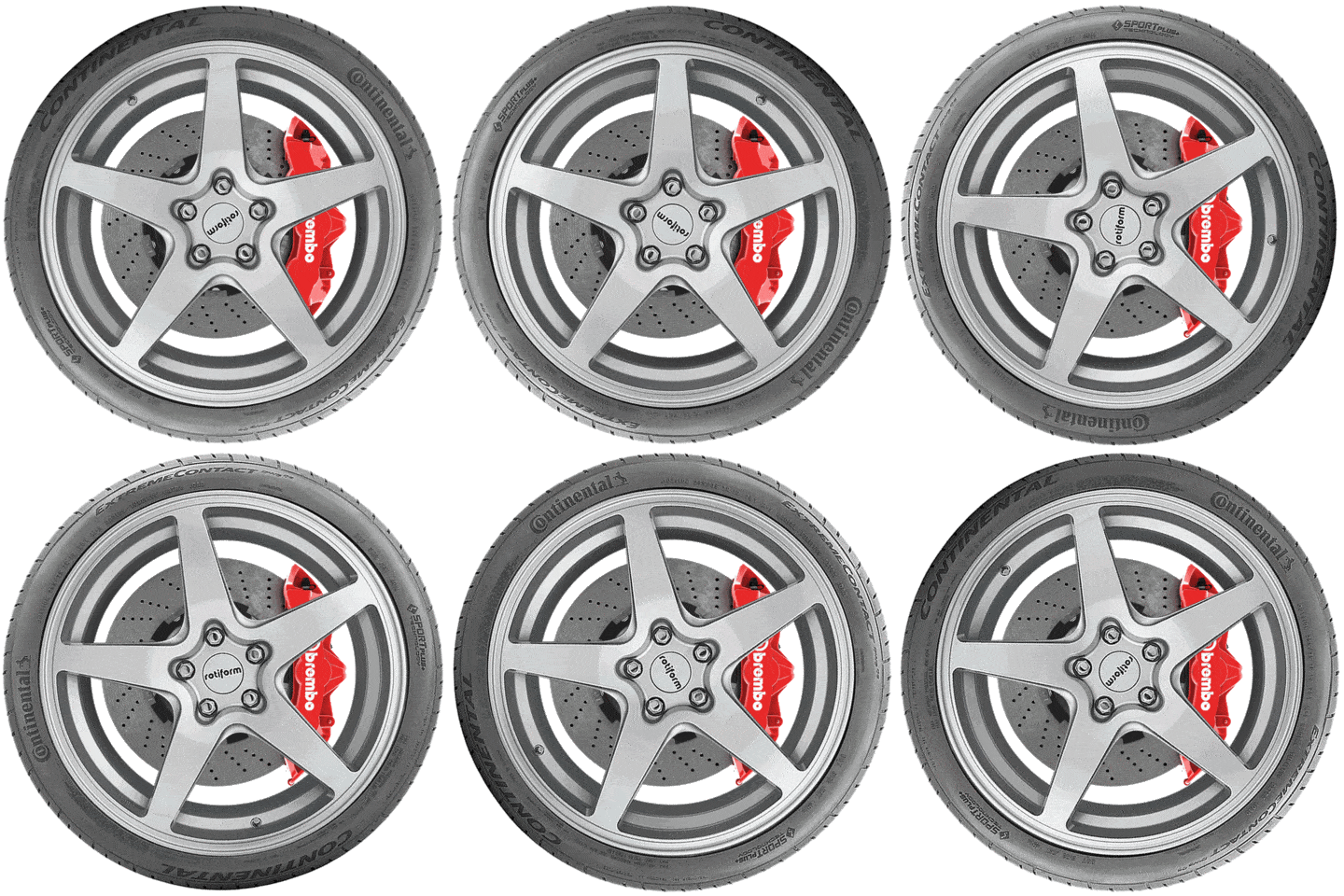
Saudi Summer Driving Care: Essential Heat Preparation and Cabin Comfort
Navigating Saudi summer heat requires simple pre-drive checks and smart cabin ventilation habits. Learn how to manage tyre pressure, coolant levels, and air conditioning for a smooth journey.
Driving across Saudi Arabia during the peak summer months requires special attention to both your vehicle's mechanical condition and your personal well-being inside the cabin. High ambient temperatures test key vehicle systems such as tyres, cooling loops, and air conditioning units. Whether you are driving through bustling metropolitan avenues or navigating suburban highways, simple proactive checks ensure your trip remains safe, smooth, and comfortable.
When selecting a rental vehicle for family outings or group travel during warm months, choosing a spacious vehicle equipped with efficient climate control—such as the Toyota HIGHLANDER GLE—provides consistent cabin cooling for every passenger. Understanding how high temperatures impact your car helps prevent unexpected delays and ensures peace of mind throughout your journey.
Critical Pre-Drive Inspection Points in Extreme Heat
Elevated ambient temperatures increase thermal stress on engine components and rubber materials. Taking a few minutes to inspect key areas before driving protects the vehicle and keeps systems operating efficiently.
Monitoring Tyre Pressure and Tread
Air inside tyres expands as heat builds up during daytime driving. Incorrect tyre pressure accelerates tread wear and impairs handling on hot asphalt road surfaces.
- Always check tyre inflation pressures when the tyres are cool, preferably before starting your morning drive.
- Inspect the sidewalls for visible cracks, bulges, or signs of uneven wear that could weaken tyre integrity under high temperatures.
- Verify that the spare tyre is properly inflated and that your jack and wheel wrench are securely stowed in the vehicle.
Coolant and Essential Fluid Checks
Engine coolant absorbs heat from the motor and radiates it outwards through the cooling radiator. In high temperatures, maintaining appropriate fluid levels is essential to prevent engine overheating.
- Check the coolant expansion tank when the engine is completely cold; never open a radiator cap while the engine is hot.
- Verify windscreen washer fluid levels to clear dust and grime accumulated from summer winds.
- Ensure engine oil levels remain within recommended dipstick indicators, as oil also aids internal heat dissipation.
Optimising Air Conditioning and Cabin Comfort
Air conditioning systems work significantly harder when outside temperatures peak. Employing smart ventilation techniques ensures rapid cooling and minimizes system strain.
Managing Heat Build-Up in Parked Vehicles
When parked under direct sunlight, interior cabin temperatures rise rapidly. Clearing trapped hot air before switching the air conditioning to maximum speed helps cool the cabin faster.
- Open all windows for one to two minutes after starting the vehicle to allow trapped superheated air to escape.
- Turn on the air conditioner initially on fresh air mode to purge residual warm air from interior air ducts.
- Switch to recirculation mode once cool air begins flowing, allowing the system to recirculate cooled air rather than drawing in outside heat.
- Use reflective front windscreen shades whenever parking outdoors to reduce dashboard heat absorption.
Expert tip: Avoid directing air vents directly towards side glass windows. Directing airflow inward towards the middle of the cabin allows cool air to circulate more evenly across front and rear seating rows.
Driver Hydration and Passenger Care
Maintaining vehicle performance is only half the summer driving equation; driver alertness and passenger comfort are equally vital. Thermal fatigue can affect concentration, making adequate hydration and regular breaks essential.
For longer commutes, vehicles designed with rear seat ventilation vents, such as the Camry LE Hybrid, help maintain comfortable interior temperatures across all seating positions without overworking the primary cooling unit.
- Keep sealed water bottles accessible inside the car cabin, ensuring everyone stays adequately hydrated during the trip.
- Schedule short rest stops during mid-day hours when solar radiation is strongest to stretch and rest your eyes.
- Never leave children, pets, or heat-sensitive items inside a parked vehicle, even for a brief moment.
Practical Summer Driving Preparation Checklist
Before turning the ignition key for a daytime drive, review this simple summer preparation checklist:
- Inspect tyre pressures when cool and verify overall tread condition.
- Check engine coolant and windscreen washer fluid levels.
- Ensure all air conditioning vents operate freely and produce cold air.
- Pack sufficient drinking water for all passengers.
- Place a reflective sunshade across the front windscreen when parked outdoors.
- Confirm your rental car documentation and emergency roadside assistance numbers are easily accessible.
Frequently Asked Questions
Why does my tyre pressure warning light turn on during hot afternoons?
Tyre pressure increases naturally as heat builds up from direct sunlight and highway driving. If tyres were inflated when warm or overinflated initially, pressure can rise above normal operating thresholds. Always measure tyre pressure when tyres are cool before driving.
What should I do if the engine temperature gauge rises above normal?
If the engine temperature indicator moves toward the hot zone, safely pull over to the side of the road, turn off the air conditioning, and switch on the cabin heater briefly to draw heat away from the engine. Turn off the engine and contact emergency roadside assistance or your rental provider immediately. Do not open the radiator cap while the engine is hot.
How can I keep the rear seats cool in a larger vehicle?
Ensure rear air vents are fully open and unblocked by luggage or seat covers. In multi-row SUVs like the Toyota HIGHLANDER GLE, utilize dedicated rear climate controls to maintain balanced temperature settings throughout the entire cabin.
Conclusion
Navigating summer driving in Saudi Arabia safely relies on proactive preparation, routine fluid checks, and smart cabin cooling habits. By keeping tyres properly inflated, maintaining coolant levels, and staying hydrated, drivers can enjoy smooth and comfortable journeys regardless of external temperatures.
If you are planning your next trip across Saudi Arabia, explore our wide selection of modern, well-maintained rental vehicles at Gahzeen. From fuel-efficient sedans to spacious 7-seater family SUVs, our team is ready to assist you in choosing the perfect car for your travel needs. Contact us today or reserve your ideal vehicle online.
